
Tsavo West Hotels Lodges Camps
Tsavo West National Park Hotels, Lodges & Camps are accommodations located inside and close to Tsavo West National Park. Tsavo West is Kenya’s largest game park, incorporating a massive 9065 km². The park is located in the southeastern part of Kenya, bordering Tanzania. It is situated between Nairobi and Mombasa, making it a popular destination for travelers from both cities.
Nairobi is 240 km (4-5 hours by road) while Mombasa is 200 km (3-4 hours by road). Neighboring parks include Tsavo East National Park (connected by the Mombasa-Nairobi road), Amboseli National Park to the northwest, and Chyulu Hills National Park to the North.
Tsavo West National Park is accessible via several gates, with Mtito Andei Gate being the most commonly used due to its position along the A109 Nairobi-Mombasa highway. Tsavo West is known for its birdlife and large mammals, especially elephants and lions. The park is also home to buffalo, rhinos, and leopards, making it a Big Five safari destination. Other wildlife species include the bush baby, Maasai giraffe, hippo, and numerous antelopes, such as hartebeest, lesser kudu, oryx, and klipspringer.
Popular scenic features include the Shetani Lava Flow, Mzima Springs, Chyulu Hills, Roaring Rocks, and Lake Jipe. Tsavo West activities include day and night game drives, Ngulia Rhino Sanctuary, home to black rhinos, Chyulu Hills hiking and trekking, and cultural visits to the Maasai and Taita Communities.
Tsavo West offers a wide range of accommodations, from luxury lodges to budget campsites, catering to different types of travelers. These include Kilaguni Serena Safari Lodge, Severin Safari Camp, Voyager Ziwani Camp, Lake Jipe Eco Lodge, Soroi Lions Bluff Lodge, Finch Hattons Luxury Tented Camp, and Kipalo Hills Lodge.
Others include Soroi Cheetah Tented Camp, Campi Ya Kanzi, Hildana Lodge, Soroi Leopards Lair, Ngulia Safari Lodge, Kivuli Camp, Severin Kitani Bandas, Lake Jipe Bandas, Taita Luxury Hotels, Lake Chala Safari Lodge, Grogan’s Castle Hotel, Grand African Plate Hotel, Tsavo Inn, etc.
Tsavo West Hotels Lodges Camps
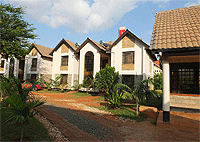
Afrika Lodges - Voi
Afrika Lodges is a 3-star hotel located along the Nairobi – Mombasa Highway, overlooking the Taita hills in Voi, Taita Taveta County, 2.3 km from Voi Bus Station. There are a total of 39 rooms comprising of 24 Standard rooms, 6 Deluxe rooms and 9 Executive rooms, each tastefully fitted with air conditioning, satellite TV, mosquito net, work desk and seating area. The hotel also has family rooms. The bathrooms are en-suite with showers and sinks. The onsite restaurant serves local and continental meals. Guests can enjoy their meals in the dining area or in the outdoors at the patio. The bar is well stocked and serves a variety of alcoholic and soft drinks. The lodge also has conference facilities with modern equipment. This provides ideal venues for meetings, exhibitions, conferences and other corporate events. Guest at the lodge can enjoy visits to the Tsavo National Park, Voi traditional market, Voi Commonwealth War Graves Cemetery, Mzima Springs and Tsavo Railway Station.
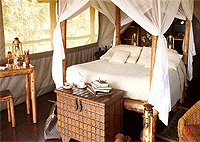
Campi Ya Kanzi – Chyulu Hills National Park
Campi ya Kanzi is a luxury camp located between Amboseli and Tsavo National Parks. The camp lies within Kuku Group Ranch, a 283,000 acres in the Tsavo Amboseli eco-system.The camp is usually accessed by a 55-minute charter flight from Wilson Airport Nairobi.Campi ya Kanzi means “Camp of the Hidden Treasure” in Kiswahili. For you, it means “safari in style” at a luxury tented safari camp. The cottages are named after the beautiful view of the specific hills that they face: Chyulu, Longitok, Olenyo Waite, Kilimanjaro, Oldonyo Oibor and Ololorami. There are 4 types of accommodation with different settings: Luxury Tented Cottages, Tented Suites, House Pool Cottage and Private Villa. The camp has an onsite restaurant that serves local and international dishes, a well-stocked bar that offers variety of alcoholic and non-alcoholic drinks. There is also an outdoor pool, shared lounge area and spa.Activities at the camp include; forest walks, bird watching, game walks, Maasai village visits, bush meals, game drives, fly camping, horse riding and transcendental meditation.
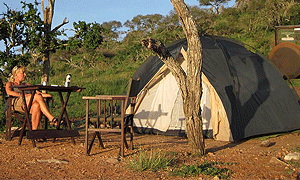
Cheetah Campsite LUMO Community Wildlife Sanctuary, Tsavo West National Park - Kenya
Cheetah Campsite (at Lions Bluff) offers camping in the bush and is located next to Salt Lick Taita Sanctuary some 48km west of Voi on the Taveta Road within the 48,000 acres Lumo Community Wildlife Sanctuary. The campsite welcomes you to make use of the activities which are on offer from Lions Bluff Lodge (5 km from the campsite). The campsite provides water, kitchen room, shower, toilets, wood fuel, level areas for your tents, use of the sanctuary, and access to the other properties on-site. You are welcome to join us at the safari bar at Lions Bluff Lodge for drinks any time of the day and evening, enjoy the view and check out the informative array of books that we make available for your perusal. We also welcome Campers are welcomed at the other nearby properties (Lions Bluff Lodge, Leopard Lair Cottages & Cheetah Tented Camp) for meals or drinks (payable direct). Battlefield Tour, Bush Breakfast, Bush Walk, Cultural Trip at Lumo, Game Drive in Open Game Vehicle, Nature Trail around Lions Bluff, Night Game Drive, Ornithological Walks, Sundowner Cocktails, Lake Chala & The Farm Tour, Climb Kasigau, Climb Taita Hills, Indigenous Forests, Shetani Lava Flow & Mzima Springs.
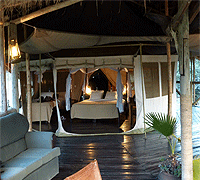
Soroi Cheetah Tented Camp Lumo Community Wildlife Sanctuary (Lions Bluff Lodge), Tsavo West - Kenya
Soroi Cheetah Tented Camp has 4 permanent tents uniquely and perfectly situated on the lower side of Soroi Lions Bluff Lodge within the 48,000 acres of the private conservancy, the Lumo Community Wildlife Sanctuary – Tsavo West! The tents overlook the stunning Conservancy below with a different perspective. You are closer to the many herds of elephant, giraffe, eland and more that pass by below while you are sipping a cold drink on your private tent terrace or our lovely little bar/ lounge. Each of the four canvas tents has comfortable twin beds, as well as an en-suite bathroom, with a bucket shower and your private verandah. Tents can be booked on a full board basis or hired just on a “sleep-in basis” and you can cook your own meals if you prefer in the fully equipped kitchen. The common guest mess area is positioned to embrace the panoramic sunsets and for dining or simply relaxing. All dietary requirements are taken into consideration. The camp can also be booked on game package or on exclusive use of the entire camp.
Chyulu Club Lodge – Chyulu Hills National Park
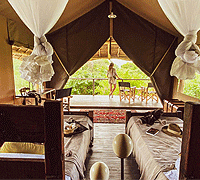
Chyulu Club is a luxury safari lodge located on the Masaai Kuku ranch (at Olpusare Spring), between the sacred Chyulu Hills and the Kilimanjaro, at the heart of a Maasai ranch. The property stretches from the Chyulu Hills to the foothills of majestic Mt Kilimanjaro (is the highest mountain in Africa at 19,342 feet). There are 6 Luxury Tents all with en-suite bathrooms and an indoor and outdoor shower. The Lodge welcomes guests in tented cottages raised above the ground on wooden platforms. There are also 14 Quadruple Tents each with an en-suite bathroom. The Lodge also boasts an authentic viewing lounge, dining room, library, conference room, outdoor fireplace, and communal café. The Club is fully-powered by solar energy and uses photovoltaic panels for electricity and hot water. We recycle all waste and treat grey and black waters with ecological techniques. Safari activities at the club include Game drives in open Land Rover, Maasai cultural villages visits, Bush breakfast, picnic and dinner, Forest walks, Escorted game walks, Bird watching, and Visit the Trust activities (schools, dispensaries, etc).
Finch Hattons Luxury Tented Camp – Tsavo West National Park
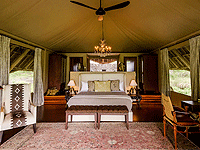
Finch Hattons Luxury Tented Camp is located in Tsavo West National Park and is accessible from the Mtito Andei Gate on the main Nairobi-Mombasa highway. The camp is about 4 hours (235 km) by road from Nairobi. The camp is 65 km (1 ½ hour) from Mtito Andei Gate - via Kilaguni, Kitani to Finch Hattons, and 260 km from Mombasa to Mtito Andei (app. 4 hours). Finch Hattons’ 35-acre concession sits on the southwestern edge of Tsavo West. The 17 spacious Safari Tents are incredible - there is a chandelier over the bed - with an indoor shower, or two outdoor showers if you wanted to shower under the stars, and a large patio deck so you could watch the wildlife from your tent. The whole camp is built around a pond and has no fence! This means that you can see crocodiles, monkeys, and birds from the hotel restaurant and your room. These pools are home to a resident pod of hippopotamus that spends their days wallowing in the shallows and their nights grazing around the camp. Activities at the camp include; scenic flights, game drives, bird watching, village visits and crater climbs, bush walks, sun downers and bus breakfasts.
Finch Hattons Camp Luxury Tented Suite – Tsavo West National Park
Finch Hattons Camp Luxury Tented Suites are part of Finch Hattons Camp. A suite accommodates a maximum of 2 guests, the camp is located in a 35-acre concession on the south western edge of Tsavo West National Park. The camp can be reached by air, road or by a train. Every one of the 17 luxury suites are elevated to offer sweeping views of the surrounding landscape, and guarantee absolute privacy for our guests. The tents’ open-plan design invites the cool breeze that drifts over the nearby natural springs, bringing the sounds and scents of the bush directly to you. Each suite is specially designed with multi-level elevated decks designed to give you unspoiled views of the surrounding hippo pools and the camp’s water hole, whether you’re on the deck or inside your suite. There is an infinity pool, a library, research Centre as well as therapeutic and healing massages and luxurious body treatments. Activities at the camp include; scenic flights, game drives, bird watching, village visits and crater climbs, bush walks, sun downers and bus breakfasts.
Finch Hattons Camp Luxury Tented Family Suite – Tsavo West National Park
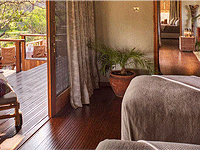
Finch Hattons Camp Luxury Family Suite is part of Finch Hattons Camp accommodating a maximum of 4 guests, the camp is located in a 35-acre concession on the south western edge of Tsavo West National Park. The camp can be reached by air, road or by a train. The tents are elevated to offer sweeping views of the surrounding landscape, and guarantee absolute privacy for our guests. The tents’ open-plan design invites the cool breeze that drifts over the nearby natural springs, bringing the sounds and scents of the bush directly to you. Family suites feature two separate en-suite bedrooms, a spacious communal lounge and an outdoor seating area on the deck, making it ideal for families or friends travelling together. There is an infinity pool, a library, research centre as well as therapeutic and healing massages and luxurious body treatments. Activities at the camp include; scenic flights, game drives, bird watching, village visits and crater climbs, bush walks, sun downers and bus breakfasts.
Finch Hattons Camp Finch Hattons Presidential Suite
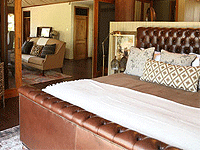
The Finch Hatton’s Suite is the presidential suite and forms part of Finch Hattons Camp accommodating a maximum of 2 guests, the camp is located in a 35-acre concession on the south western edge of Tsavo West National Park. The camp can be reached by air, road or by a train. The tents are elevated to offer sweeping views of the surrounding landscape, and guarantee absolute privacy for our guests. The tents’ open-plan design invites the cool breeze that drifts over the nearby natural springs, bringing the sounds and scents of the bush directly to you. The Finch Hatton’s Suite is the epitome of luxury, with a bedroom, lounge, heated plunge pool, pantry, butler service and a bodyguard room. The Finch Hattons suite offers absolute safety, security and privacy. The camp has a conference hall with state-of-the-art equipment. This is a perfect venue for meetings, conference, exhibitions and other corporate events. Activities at the camp include; scenic flights, game drives, bird watching, village visits and crater climbs, bush walks, sun downers and bus breakfasts.
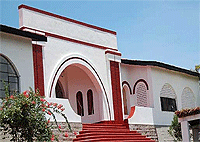
Grogans Castle Hotel – Tsavo West National Park
Grogan’s Castle Hotel is a historical Castle located in south west Kenya below Mt. Kilimanjaro, near Lake Jipe and the Tanzania border. The castle is 25 minutes from the Lake Jipe entrance to Tsavo West National Park. The hotel is a Moorish/art deco designed building, with original details that has just been renovated. The castle features 5 spacious en-suite double bedrooms, with decor of the early Colonial era and extra beds can also be added. There is a guest cottage that accommodates 4 guests and is on self-catering basis. Guests here are welcomed to prepare their own meals. The hotel has spacious living room with a selection of books, satellite TV and DVD. The dining room contains Grogan’s original dining table. There is a plunge pool with magnificent views of the Mt. Kilimanjaro and the Pare Mountains. Activities at the hotel include; visits to the Tsavo National Park, Lake Chala and Lake Jipe.
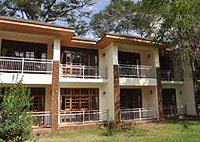
Hunters Lodge – Makindu/ Kiboko
Hunters Lodge is a 3.5-star business-friendly hotel located in Kiboko, Makindu area along the Mombasa-Nairobi highway. The lodge is 160 km from Nairobi and is perfect base for travelers visiting Tsavo, Amboseli and the Chyulu Hills. The lodge has 50 luxury self-contained rooms, each tastefully fitted with telephone, satellite TV, seating area and air conditioning. The bathrooms are en-suite and have showers and flush toilets. Hunters Lodge Kiboko has 3 conference halls with state-of-the-art equipment. The halls are ideal for meetings, conferences, exhibition and other corporate venues. The lodge has an outdoor pool which is flanked by recliner seats and parasols. Next to the pool is the pool bar that serves alcoholic and soft drinks. Guests can also relax by in the shared lounge. Activities at the lodge include; swimming, bird watching, trips to larva caves, boating in Kiboko Springs and visit to the Chyulu Hills National Park. The hotel site is a paradise for bird lovers and with more than 100 species of birds.
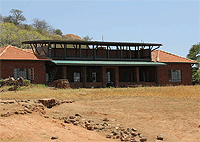
Kamboyo Guest House – Tsavo West National Park
Kamboyo Guesthouse is a self-catering cottage owned by KWS and is located in Tsavo West National Park 8 km from the Mtito Andei gate. The cottage has spectacular views of Mount Kilimanjaro and has its own waterhole frequented every night by various animals. Only 8 guests can be accommodated in the guest house. There are 4 guestrooms comprising of master bedroom with double bed and single bed, 2nd bedroom with double bed, 3rd bedroom with two single beds, and 4th bedroom with a single bed. The sitting room is furnished and spacious featuring a fireplace along with a door leading to the veranda. The guesthouse is on self-catering basis and has a kitchen well equipped with gas, stove, refrigerator, kitchen utensils, cutlery, crockery and glasses. Here guests are welcomed to prepare their own meals. There is also an open-plan dining room with tables and benches on the verandah. Enjoy activities like game viewing, hiking and nature trails.
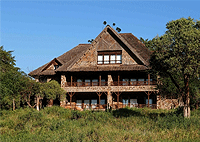
Kilaguni Serena Safari Lodge – Tsavo West National Park
Kilaguni Serena Safari Lodge is a 4-star Lodge located within the Tsavo West National Park (a short drive from the main Mtito Andei Gate). Transfers by road from Nairobi take approximately 4 hours. The lodge has 56 rooms, of which 51 are standard rooms and 5 Suites; Each room hast its own verandas, some overlooking the waterhole, some the Chyulu Hills. Tsavo National Park has plentiful of wildlife and beautiful landscape to offer and that is what Kilaguni Serena Safari Lodge has for you in store. Kilaguni’s waterhole is considered to offer the finest terraced savannah game viewing in Kenya, and at night you can listen to the sounds of herds of buffalo and elephant grazing outside your bedroom. Activities at the lodge include; game drives, guided walks, bush breakfasts, volcano climbs and trips to Mzima Springs, a set of crystal-clear ponds, fed by the melt waters of Mount Kilimanjaro, in which the many hippos can be viewed from a submerged chamber.
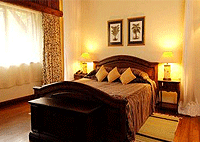
Kilaguni Serena Suites – Tsavo West National Park
Kilaguni Serena Suites is a luxury suite within Kilaguni Serena lodge. The Lodge situated in Tsavo West National Park, a 30-minute drive from the main Mtito Andei Gate. Transfers by road from Nairobi take approximately 4 hours. The resplendent Kilaguni Suite is located in the suites building with stunning views over the water hole and the Chyulu Hills. The suite in-room amenities include; Master bedroom with a King bed, Bathroom with bath and walk-in shower, Sitting room with broad terrace Interior, exterior dining table, Mini bar stocked according to your preference Private balcony, Flat-screen TV with satellite TV and video Dedicated room steward, in-room catering/bar services, Private entrance, Complimentary wireless Internet, Coffee/tea making station and 24-hour room service. There’s also a pool, body treatment, Gift Shop and a swimming pool. Activities at the lodge include; game drives, guided walks, bush breakfasts, volcano climbs and trips to Mzima Springs, a set of crystal-clear ponds in which the many hippos can be viewed from a submerged chamber.
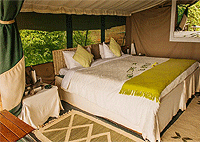
Kipalo Hills – Mbulia Conservancy Tsavo West
Kipalo Hills Camp is located in Mbulia Conservancy bordering Tsavo West National Park. The camp is a 2.5-hour drive from Mombasa while Nairobi is a 5-hour drive. There are 8 luxurious double tents with en-suite flushing loo and a traditional safari shower. The tents are either twin or double with room for an extra bed. The tents are located far apart and all enjoy wonderful views of the spectacular scenery and impenetrable wilderness across the Mbulia Conservancy plains that stretches as far as the eye can see. The onsite restaurant serves locally prepared foods and guests can dine in the dining area or outdoor. The bar is well stocked and serves alcoholic and soft drinks. The camp has an outdoor swimming pool with sun beds and overlooks a waterhole which animals visits from time to time. Activities at the include; day and night game drives, bird watching, bush walks, village visits, bush meals, sundowners, animal tracking & a trip to Tsavo West.
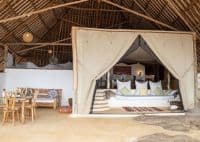
Kipalo Hills Lodge Rock Suite – Mbulia Conservancy Tsavo West
Kipalo Hills Lodge Rock Suite Tsavo West National Park is a serene and secluded safari retreat, ideal for couples, honeymooners, or small families seeking privacy, comfort, and a deep connection with nature. Carved around a natural rock outcrop and set on the slopes of the scenic Mbulia Hills, the suite offers expansive views over the 12,000-acre Mbulia Conservancy—stretching across Tsavo’s golden plains and, on clear days, reaching to the distant silhouette of Mount Kilimanjaro. The Rock Suite is located 388 kilometers from Nairobi (approximately 6.5 to 7 hours by road via Mtito Andei or Maktau) and 238 kilometers from Mombasa (about 5 hours via Voi). The final 15 kilometers are accessed by a rugged track, best navigated with a four-wheel drive vehicle. Air access is available via Kipalo Airstrip for private charters or through the nearby Maktau and Taita Hills airstrips. The closest Standard Gauge Railway station is Mtito Andei, about one hour away by road. The suite features a double bed and a day-bed, a spacious en-suite bathroom with walk-in shower and double basins, a furnished natural rock veranda, and a private dining area. Guests enjoy personalized service and tailored activities including guided bush walks, birdwatching, sundowners, game drives, and full-day safaris in the surrounding conservancy and beyond.
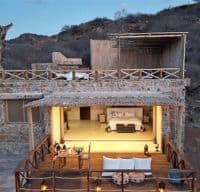
Kipalo Hills Honeymoon Private Villa – Mbulia Conservancy Tsavo West
Kipalo Hills Lodge Tsavo West Honeymoon Private Villa is a luxurious and secluded retreat designed for couples and honeymooners seeking privacy, comfort, and an immersive safari experience. Nestled on the slopes of the Mbulia Hills, the villa offers breathtaking views over the 12,000-acre Mbulia Conservancy, with sweeping vistas of Tsavo’s golden plains and the distant silhouette of Mount Kilimanjaro. The villa is 388 kilometers from Nairobi, a journey that takes between six and a half to seven hours by road via Mtito Andei or Maktau, and 238 kilometers from Mombasa, which can be reached in around five hours through Voi. The last fifteen kilometers are on a rugged track, best reached by a four-wheel drive vehicle. Air access is available via Kipalo Airstrip for private charters or through nearby Maktau and Taita Hills airstrips. The closest Standard Gauge Railway station is Mtito Andei, about one hour away by road. Kipalo Hills Lodge Tsavo West Honeymoon Private Villa features a king-size bed, spacious deck, en suite bathrooms with indoor and outdoor showers, a private plunge pool carved into the rock, and a rooftop terrace with a star bed. Guests enjoy personalized dining and tailored activities, including bush walks, game drives, birdwatching, sundowners, and full-day safaris
Kitani Bandas – Tsavo West National Park
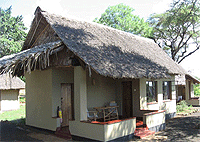
Kitani Bandas are budget self-catering guest cottages located in the heart of at Tsavo West National Park, the largest game reserve in East Africa. The cottages are situated about 49 km from the Mtito Andei gate about 1 hours’ drive. There are 8 Self catering Cottages, all equipped with enough space for a maximum of 3 persons, kitchenette with a fridge, tables, chairs, plates, pots, cutlery, glasses and cups, little herd with gas and a washing basin, bathroom with running cold and warm water, toilet & shower, bedroom with space for maximum 3 beds, mosquito nets, private campfire & covered patio. Guests may have breakfast or delicious à la carte menus for lunch and dinner in the Out of Africa restaurant at Severin Safari Camp. Activities at Kitani Bandas include; game drives with a private guide, sundowner at Poacher’s Lookout, guided nature walks with a Maasai guide, playing cards, board games, visit to mzima springs etc.
Lake Jipe Bandas Cottages – Tsavo West National Park
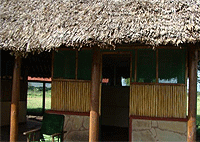
Lake Jipe Safari Camp is located 500 meters from the shores of Lake Jipe and 5 minutes from Tsavo West National Park entrance. The camp comprises of 10 luxury rooms with breathtaking panoramic views of the glittering alkaline waters of Lake Jipe and the Pare mountains. The camp offers a unique blend of tranquility, wildlife, discovery, an ornithological richness. The facility comprises of luxurious self-contained tents and permanent wall cottages blended with African architectural set up. Each cottage has clothes rack, mosquito net, private verandah and en-suite bathroom with flush toilet, hot shower. The restaurant serves African and European cuisine. Guests can have the option of dining in the dining area or outdoor. There is a well-stocked bar that serves a variety of chilled alcoholic and soft drinks. The camp also has an outdoor swimming pool where guests can cool down in the hot Tsavo afternoons. Activities at the camp include; game drives, bird watching, fibre glass boating, fishing, visit Salaita Hill etc.
Lake Jipe Eco Camp – Tsavo West National Park
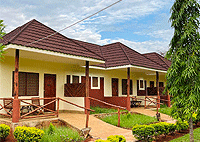
Lake Jipe Eco Camp is located 500 meters from the shores of Lake Jipe and 5 minutes from Tsavo West National Park entrance. The camp comprises of 10 luxury rooms with breathtaking panoramic views of the glittering alkaline waters of Lake Jipe and the the Pare mountains. The camp offers a unique blend of tranquility, wildlife,discovery, an ornithological richness. The facility comprises of luxurious self contained tents and permanent wall cottages blended with African architectural set up. Each cottage has clothes rack, mosquito net, private verandah and en-suite bathroom with flush toilet, hot shower. The restaurant serves African and European cuisine. Guests can have the option of dining in the dining area or outdoor. There is a well stocked bar that serves a variety of chilled alcoholic and soft drinks.The camp also has an outdoor swimming pool where guests can cool down in the hot Tsavo afternoons. Activities at the camp include; game drives, bird watching, fibre glass boating, fishing, visit Salaita Hill etc
Lavender Gardens Hotel – Wundanyi Taita Hills
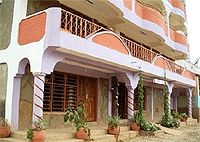
Lavender Gardens Hotel is a budget business-friendly hotel located in Wundanyi along the Taita Taveta road off the Nairobi Mombasa road just 40 km from Voi Town. The hotel is in close to Wundanyi Market and offers single, double and triple rooms. There are 40 self-contained rooms and suites, all of which are elegantly presented in a fusion of international and local taste. Each guestroom/ suite features mini bar, safe, closet, tea/coffee making facilities, satellite TV and a swimming pool. The onsite restaurant serves a variety of local and continental dishes. Guest can enjoy their meals in the dining area or in the outdoors. The bar is well stocked and offers a wide range of alcoholic and soft drinks. The hotel has 3 conference facilities with the state-of-the-art equipment. These provide ideal venues for corporate and social events like meetings and birthdays. Activities at Lavender Gardens Hotel Wundanyi include; cycling, swimming and hiking.
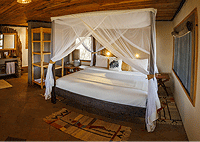
Soroi Leopards Lair - Lumo Conservancy, Tsavo West
Soroi Leopard Lair consist of 4 cottages located on the Lions Bluff Kopje. The cottages offer an exciting wilderness escape and an untamed safari experience within Lumo Community Wildlife Sanctuary. The bandas have stunning panoramic views, across miles and miles of Kenyan parkland including the majestic Kilimanjaro, The Taita Hills, the Lumo Community Sanctuary and the Tsavo eco-system. Each cottage is equipped with a double and single bed – complete with bedding, hot and cold showers, a lovely terrace overlooking the stunning Conservancy with endless views of the Savannah and mountains in the distance. A large, common dining area & fully functional kitchen, public toilet is also available. Most of our guests enjoy our delicious meals Spacious verandas look over a vast area of the Tsavo eco system from the Taita Hills, past Mt Kilimanjaro all the way to Mukamazi in Tanzania. All meals are prepare in Leopard Lairs own kitchen reflecting Kenya’s great variety of fruits, vegetables and meat. Guests can also spend the evenings watching spectacular sunsets while sipping cool drinks from the well-stocked bar.
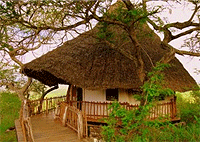
Soroi Lion's Bluff Lodge – Tsavo West National Park
Soroi Lions Bluff Lodge is an eco lodge, secluded and exclusive, within Lumo Community Wildlife Sanctuary. The lodge has stunning panoramic views, across miles and miles of Kenyan parkland including the majestic Kilimanjaro, The Taita Hills, the Lumo Community Sanctuary and the Tsavo eco-system. The driving time from Nairobi is 5 hours and Mombasa is 4 hours away while Arusha is 3 hours. With only 12 rooms the Bluff offers an intimate, luxury safari and cultural experience, with breathtaking scenery and wildlife viewing. The Lodge is an ideal place for family safaris, anyone in search of peacefulness, nature lovers, private parties, passionate photographers and honeymooners alike. Other facilities include: Cheetah Campsite, Cheetah permanent tented camps & the Leopards Lair “self-catering bandas”. The main lounge-cum-dining room has a wide wooden deck overlooking a lesser watering hole where guests can spend time watching terrestrial wildlife coming to drink water. Guests can also spend the evenings watching spectacular sunsets while sipping cool drinks from the well-stocked bar.
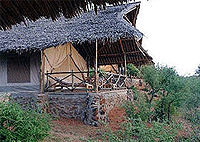
Man Eaters Lodge– Tsavo West National Park
Man Eaters Camp is a luxury tented accommodation nestled on the banks of the Tsavo River in the middle of Tsavo National Park. The lodge is 10 km to Tsavo East National Park and 2 km to Tsavo West National Park. Man Eaters camp is an exclusive lodge comprising of 31 fully furnished En- suits tents. The camp has 8 family tents which has 1 double bed and 1 single bed for child, all the beds are four poster beds with mosquito nets. There is also 1 wheel chair friendly tent, easily accessible to and next to the bar, restaurant and lounge. All tents have locally made furniture that easily blends in well with the great surrounding landscapes. The camp has a swimming pool and a massage facility for guests who want mind and body rejuvenation. Activities at the camp include; sundowners, bush lunches and dinners, wildlife spotting, game tracking, bush breakfasts, game drives, nature walks, barbecues and campfires.
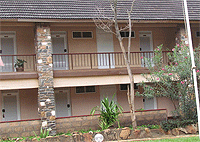
Ngulia Safari Lodge – Tsavo West National Park
Ngulia Safari Lodge is a 3-star accommodation located in Tsavo West National Park on the Ndawe Escarpment, just below Ngulia Hills, overlooking the Rhino Sanctuary surrounded by scenic hills. The Lodge is 260 kms from Nairobi through Mtito Andei Gate and 250 km from Mombasa through Tsavo River Gate. The lodge has 52 guestrooms, each with either a double bed or a twin bed, mosquito net(s), work desk and en-suite bathrooms with showers. The guestrooms have balconies with a view of the vast wilderness and floodlit water holes. There are 2 bars & 2 restaurants that serve local and international dishes. Ngulia Safari Lodge has an outdoor swimming pool where guests can spend time relaxing and have a dip in the hot Tsavo afternoons. There are conference facilities with state of the art equipment. Activities at the lodge include; game drives, guided nature walks, village visits and visits to the Mzima Springs, Shetani Lava Flows, Kichwa Tembo cliffs and Roaring Rocks.
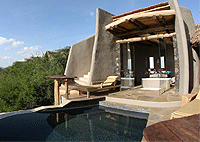
Ol Donyo Lodge – Mbirikani Group Ranch (Chyulu Hills)
Ol Donyo Lodge is a luxury safari lodge located in the foothills of the Chyulu Range on the Mbirikani Group Ranch, a 275,000-acre Maasai-owned ranch that is located between the Amboseli, Chyulu, Tsavo and Kilimanjaro National Parks. Ol Donyo has a total of 20 beds in six stand-alone villas. Some are two-bed villas, while others are four-bed villas with their own private lounges and swimming pool. At Ol Donyo Lodge you can go on day or night game drives, guided walks, mountain biking, or horseback safaris through the game-packed surrounding areas. Visit a nearby Maasai village for a fascinating glimpse into the local culture, or head out to the Amboseli Game Reserve for some exceptional wildlife viewing. When you’re not out exploring, you can relax on your rooftop deck or laze beside the swimming pool.
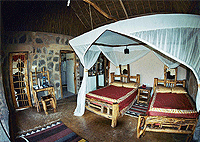
Rhino Valley Lodge Bandas – Tsavo West National Park
Rhino Valley Lodge Bandas Tsavo West National Park, formerly known as Ngulia Bandas/ Ngulia Safari Camp Bandas are self catering cottages located in Tsavo West National Park 40 km from Mtito Andei and 50 km from Tsavo River gate. There are 6 self catering bandas tastefully furnished with rugged twin beds, a well-equipped kitchenette, and a complete bathroom suite will provide with the comforts of home away from home.The bandas at the camp are designed to have verandas that overlook a water drinking spot regularly visited by a huge variety of wildlife and the wonderful panorama across the Rhino Valley. Guests can thus be able to see animals that come to drink from the pool at the same time enjoying the comfort of their room. Activities at the camp include; game drives, nature walks and rock climbing up the Ngulia Hills, game viewing, guided walks, bird watching, visits to Mzima Springs, the Rhino Sanctuary and the Shetani Lava flows.
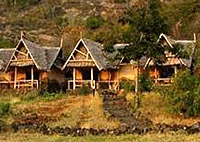
Rhino Valley Lodge – Tsavo West National Park
Rhino Valley Lodge Tsavo West National Park was formerly known as Ngulia Safari Camp or Ngulia Bandas. Rhino valley lodge is nestled in the middle of the vast Tsavo West National Park located 40 km from Mtito Andei gate and 50 km from the Tsavo River gate. There are 6 standard rooms, 10 luxury rooms (Rock Rooms offering a unique caveman experience), 6 self-catering bandas each equipped with an en-suite twin room and a well-equipped kitchenette and a camp-site with bathroom facilities. Guests are welcomed to prepare their own meals or dine in the onsite lodge restaurant. There is a modern gourmet restaurant with an elaborate menu specifically designed for those who love the out outdoors. There is also has a well-stocked ‘tree bar’ where guests can enjoy themselves under wide starry tropical skies and in the warmth of a campfire. Activities at the camp include; day game drives, nature walks, sundowners, bird watching, game viewing and night game drives.
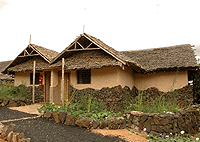
Rhino Valley Rock Room Honeymoon Suite – Tsavo West National Park
Rhino Valley Lodge Honeymoon Suite is part of the main Rhino Valley Lodge, formerly known as Ngulia Safari Camp or Ngulia Bandas. Rhino valley lodge is nestled in the middle of the vast Tsavo West National Park located 40 km from Mtito Andei gate and 50 km from the Tsavo River gate. Rhino Valley Lodge honeymoon suite (Rock room) makes a superb honeymoon location. Set slightly apart from the rest of the site to allow honeymooners some privacy, it has its own plunge pool, sun-loungers etc. As a base location for exploring Tsavo West National Park, Rhino valley lodge honeymoon suite is perfectly suited. Almost all of the main attractions in the park can be easily accessed from here. There is also has a well-stocked ‘tree bar’ where guests can enjoy themselves under wide starry tropical skies and in the warmth of a campfire. Activities at the camp include; day game drives, nature walks, sundowners, bird watching, game viewing and night game drives.
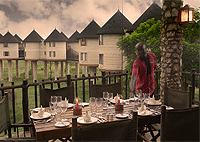
Salt Lick Safari Lodge – Taita Hills Wildlife Sanctuary
Salt Lick Safari Lodge is a 4-star safari accommodation nestled within the Taita Hills Wildlife Sanctuary at the foot of Taita Hills adjacent to Tsavo West National Park. There are 96 unique rooms all elevated on stilts and built across two levels with views of watering holes. The rooms are designed over the 2 levels in circular structures linked with walkways with thin bamboo railings. Each is tastefully fitted with coffee and tea maker, wardrobes, digital safe, fan and work desk. The bathrooms are en-suite and come with hot shower, flush toilets and outlet for plugging in shavers. The onsite restaurant is elevated like the other buildings in the lodge and serves Pan-African, Pan-European and Pan-Asian cuisines. The bar; Vura Bar Lounge has a shaded terrace with spectacular views of the main waterhole and surrounding grasslands. The Tulia wellness tent offers a variety of body treatments including Swedish, aromatherapy and Ayurveda. Activities at the lodge include; day game drives, bush dining, night game drives and local village visits.
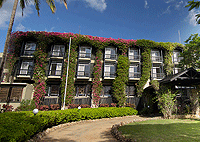
Taita Hills Safari Resort & Spa – Taita Hills Wildlife Sanctuary
Taita Hills Safari Resort & Spa is a 5-star accommodation at the main entrance to the Taita Hills Sanctuary in South Eastern Kenya, 400 km from Nairobi and 200 km from Mombasa. Taita Hills Safari Resort & Spa is an inviting stone building of 60 spacious rooms and two suites, all with their own private viewing balcony. The rooms are authentically decorated with modern amenities, providing supreme comfort, privacy and an opportunity for effortless birding, as well as the chance to view a large variety of big game from the privacy of each unit. All rooms at Taita Hills Safari Resort & Spa are equipped with en-suite bathrooms with permanent showers, hot & cold water. The lodge has a restaurant, a bar, a spa & a beautiful outdoor swimming pool. Activities at the lodge include; game viewing, nature walks, game drives, village visits, bush dining, wild life talks, visits to the Mzima Spring, Ngulia Rhino Sanctuary, Taita Hills etc.
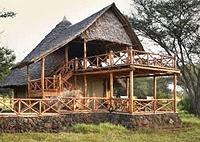
Severin Safari Camp – Tsavo West National Park
Severin Safari Camp is a 4-star safari accommodation located in Tsavo West National Park, 250 km from Mombasa or Nairobi. Mtito Andei Tsavo West National Park Gate is located 40 km away. The closest runways are Finch Hattons and Kilaguni (both about 30 minutes from camp). The camp has 27 accommodations comprising of the 21 octagon tents, 4 junior suites and 2 executive suites, all equipped with wooden furniture in a traditional African style. Each tent/ suite features a safe, mosquito net and furnished terrace. The bathrooms are en-suite and have running hot and cold water, shower and separate toilet and bidet. Guests may have breakfast buffet as well as delicious à la carte menus lunch and dinner in the Out of Africa Restaurant. The camp also features an outdoor pool, wellness area and a conference tent which can accommodate 30 guests. Activities at the camp include game drives, sundowners, guided nature walks and playing cards and board games.
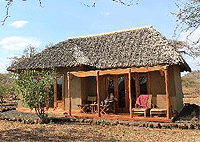
Severin Safari Camp Junior Suites – Tsavo West National Park
Severin Safari Camp Junior Suites are part of Severin Safari Camp located in Tsavo West National Park, 250 km from Mombasa or Nairobi. Mtito Andei Tsavo West National Park Gate is located 40 km away. The closest runways are Finch Hattons and Kilaguni (both about 30 minutes from camp). The junior suites are 4 in number. The suites have running hot and cold water, Mosquito net, Shower, separate toilet and bidet, safe, King-size bed, Separate living room, Private courtyard with outside showers, terrace, 1 couch (1.40m) & 1 foldable bed can also be used as a cot or as a family room. Guests may have breakfast buffet as well as delicious à la carte menus lunch and dinner in the Out of Africa Restaurant. The camp also features an outdoor pool, wellness area and a conference tent which can accommodate 30 guests. Activities at the camp include game drives, sundowners, guided nature walks and playing cards and board games.
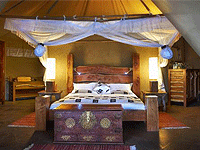
Severin Safari Camp Executive Suites/ Kibo and Mawenzi Suites – Tsavo West National Park
Severin Safari Camp Executive Suites also known as Kibo and Mawenzi Suites are part of Severin Safari Camp located in Tsavo West National Park, 250 km from Mombasa or Nairobi. The closest runways are Finch Hattons and Kilaguni (both about 30 minutes from camp). The Executive Suites are 2 in number. The suites offers a wonderful view of Mt. Kilimanjaro and the wide savannah of Tsavo Park with sun loungers. The spacious suites with a king-size bed and made of sturdy canvas canvases are also equipped with a corner bathtub and, with the adjoining tent, are also perfect for families. Raised viewing deck with sun loungers. Guests may have breakfast buffet as well as delicious à la carte menus lunch and dinner in the Out of Africa Restaurant. The camp also features an outdoor pool, wellness area and a conference tent which can accommodate 30 guests. Activities at the camp include game drives, sundowners, guided nature walks and playing cards and board games.
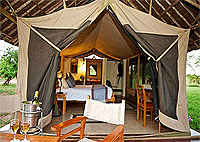
Voyager Ziwani Safari Camp – Tsavo West National Park
Voyager Ziwani Safari Camp is a safari accommodation located on a 30,000-acre Private Farm on the western edge of Tsavo West National Park. The camp is 200 Km from Mombasa and 275 km from Nairobi. Voyager Ziwani offers 25 beautiful Luxury Double/ Twin Tent and Luxury Triple Tents. They are made of canvas and mesh under a shelter of woven thatched roofs that are supported by bamboo poles. 16 of these tents are erected on the southern edge of the river while the other 9 are on the northern bank. Each of the tents faces the river and has a private patio with safari furniture. The bathrooms are en-suite with a hot showers and flush toilets. The main building overlooking the Ziwa Dam houses the bar and dining room, with a long veranda where breakfast is usually served. Activities at the Camp include; guided game walks, bush breakfasts, day game drives, cultural dances, boating, culture talks and night game drives.
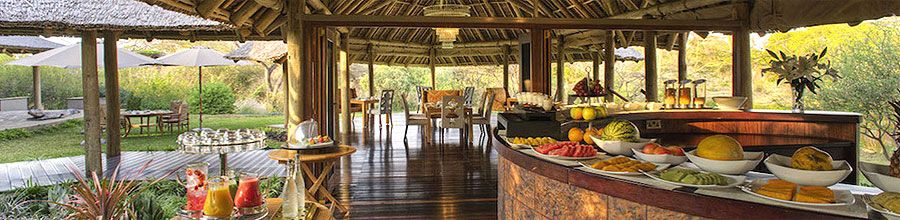
Tsavo West Hotels Lodges Camps: Tsavo West and Tsavo East National Parks form one of the largest National parks in the world and cover a massive 4% of Kenya’s total land area. Tsavo West Mtito Andei Gate is 233 km South of Nairobi and 250 km North of Mombasa on the main Nairobi- Mombasa Road.
Distance Nairobi-Mtito Andei: 233 km – Mtito Andei-Voi: 96 km – Voi-Mombasa: 153 km. From Malindi, take the western road (C103) and enter the park via Sala gate. Tsavo West National Park is an international wildlife and environmental treasure chest. It contains a variety of habitats, geological soil types, animals, birds, and plants.
The park is close to Amboseli National Park, and on a clear day in Tsavo West, you can see Kilimanjaro. Tsavo West in Kenya is hilly, rocky, greener, and more vegetated than Tsavo East but each has its own diversity.
Mzima Springs is a pool of natural spring water that attracts a lot of game and there is even an underwater hippo-viewing hide. The park became famous through the notorious “Man Eaters of Tsavo” incident at the turn of the century when man-eating lions were preying on the workers building the great Uganda Railway.
More than 50 different kinds of mammals graze, browse, hunt, and scavenge in the grasslands and bush country of the Tsavo West. Zebras are always seen slaking their thirst near Tsavo West’s luxurious game lodges.
Among the more unusual of the animals is the gerenuk, a long-necked antelope that browses on the higher, sweeter leaves of the acacia thorns. Carnivores are also abundant in the park. Tsavo West is known for its ‘Roaring Rocks’, which if climbed give views usually only seen by the eagles and vultures that whirl around these cliffs.
There is quite a variety of wildlife and birdlife in the park. Over 600 species of birds have been recorded. Moreover, game viewing is fairly easy. Animals include the leopard, cheetah, buffalo, rhino, elephant, giraffe, zebra, lion, crocodile, mongoose, hyrax, dik dik, and porcupine.
Tsavo West National Park hosts several of the most beautiful hotels and resorts are known worldwide. For those seeking fine hotels and resorts, Tsavo West offers some of the best five-star accommodations in Kenya.
Among the best hotels includes: Campi ya Kanzi a luxury camp, Finch Hattons Luxury Camp, Kiboko camp, Kilaguni Serena Safari Lodge, Kitani Bandas, Rhino Valley Lodge, Sarova Taita Hills Game Lodge, Severin Safari Camp, Voyager Ziwani Safari Camp among others.
Booking & Reservations Tsavo West Hotels Lodges Camps Contact
Mobile: + 254-721-242-711
WhatsApp: +254-721-242-711
Reservations: +254 718-179-967
Email: [email protected]
Website: https://africanspicesafaris.com